An Introduction to Animal-Safe Pest Control Strategies


When share your home together with cherished pets, keeping them safe while managing pesky pests may feel like a juggling act. The presence of unwanted insects or rodents merely poses a risk to the integrity of your home but can also endanger the health of your furry friends. As pet owners, it is essential to evaluate pet-friendly pest control strategies that effectively eliminate pests without compromising the well-being of your pets.
In this guide, we aim to explore various pest control strategies that ensure safety for pets, such as eco-friendly options, proactive measures, and signs that show when it might be time to seek out the professionals. Recognizing common household pests and how to deal with them, alongside debunking common myths around pest control, will empower you to make informed decisions. With the appropriate knowledge and approach, you can create a pest-free environment that keeps both your home and your pets healthy and well cared for.
Recognizing Rodent Issues
Recognizing the early signs of a pest issue is essential for efficient control. Frequent indicators include strange sounds, droppings, or chew marks that may point to rodent infestations. Moreover, seeing tiny holes in walls or food packages can suggest that insects are around. If you spot bugs scurrying across floors or the wall, it's important to take swift action to assess the scope of the infestation.
An additional way to recognize pest issues is by noticing moldy smells, which can signal the existence of pests like rodents or termites. You may also see damage to plants, furnishings, or insulating materials, as pests like termites and wood-boring beetles can inflict significant harm. Regularly checking these indicators regularly can assist identify infestations early, which prevents more extensive damage and costly fixes.
It's also vital to take into account seasonal changes, as insect activity is often affected by heat and moisture. Certain insects become more aggressive during warmer months, while others may seek shelter in your house during chilly seasons. Knowing the typical patterns of the most common home insects can help in recognizing potential issues before they escalate.
Opting for Non-Harmful Options
When it comes to pest control, particularly for pet owners, selecting safe options is essential. Many traditional pest control methods incorporate strong chemicals that can create hazards to your furry friends. Prior to hiring https://newton-bagge.blogbright.net/the-way-global-warming-is-impacting-pest-species , it's smart to ask about the kinds of products they utilize. Look for companies that focus on green and pet-safe choices, including bait traps or natural deterrents. Always ask for detailed information on how these solutions operate and their safety protocols.
Furthermore, in evaluating do-it-yourself pest control methods, make sure the products you choose are specifically designated as non-harmful for use around pets. Home remedies, such as vinegar solutions or essential oils, can be efficient in deterring specific pests without endangering your pets. Yet, it’s important to investigate and confirm that any natural ingredients won’t harm your animals. Always remember to conduct a spot test in a small area before using solutions broadly in your home.
Finally, preventative measures can significantly reduce the need for pest control actions. Keeping your home neat and keeping to a minimum food debris can discourage pests from invading. Blocking https://atkinson-timmons.thoughtlanes.net/regular-insects-along-with-methods-to-eradicate-them and openings around your home can also be a important step in pest proofing. Participating in regular maintenance and inspection can help you catch potential pest problems before they escalate, ensuring a more secure and better environment for both you and your pets.
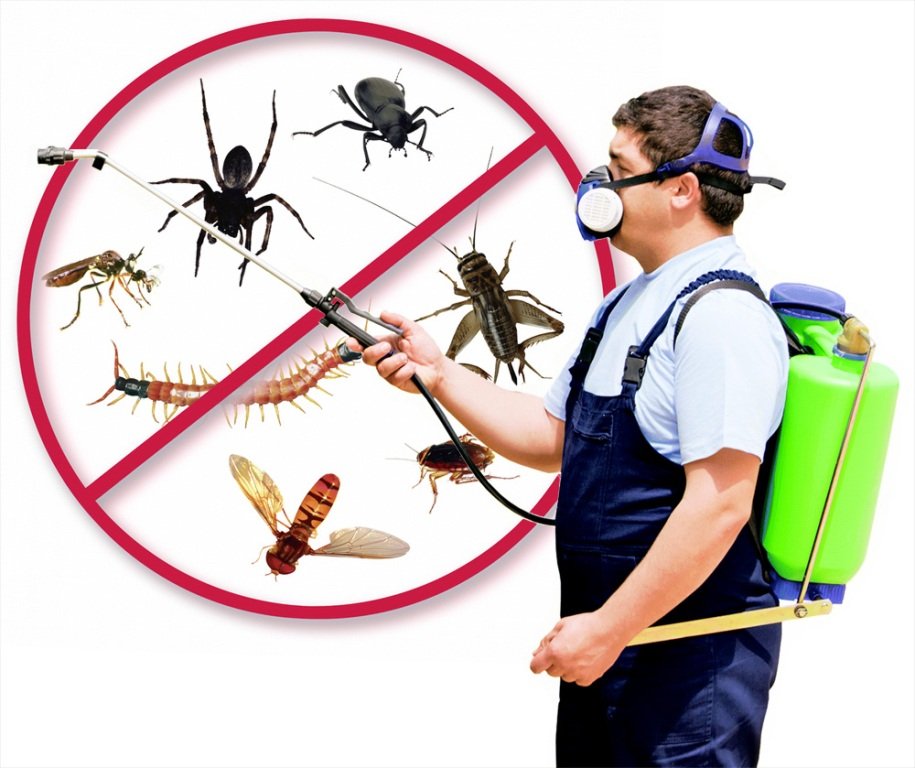
Preventative Steps for Homeowners
To maintain pests at bay, cleanliness is paramount. Consistently maintaining your home, especially the kitchen and dining areas, can substantially lower the chances of attracting unwanted visitors. Ensure that food is kept in airtight containers, and promptly address spills and crumbs. Waste should be thrown away properly, and garbage bins should be kept tightly closed. This not only helps in keeping the area tidy but also eliminates food sources that pests flourish on.
An additional efficient preventative measure is closing off any possible entry points. Examine your home for cracks, gaps, or holes in walls, foundations, and windows. Seal and fix any openings that could allow pests to enter. Additionally, make certain that doors and windows are equipped with tight-fitting screens, and consider installing door sweeps at the bottom of exterior doors. These simple actions can establish a barrier that prevents pests from entering your living space.
Ultimately, maintaining your yard can also play a critical role in pest prevention. Keep your garden well-maintained by trimming overgrown shrubs, eliminating standing water, and keeping mulch at a minimum. Storing firewood away from the house and lifting it off the ground can help avoid attracting wood-destroying insects. By being proactive with your outdoor spaces, you reduce the likelihood of pests migrating inside your home.